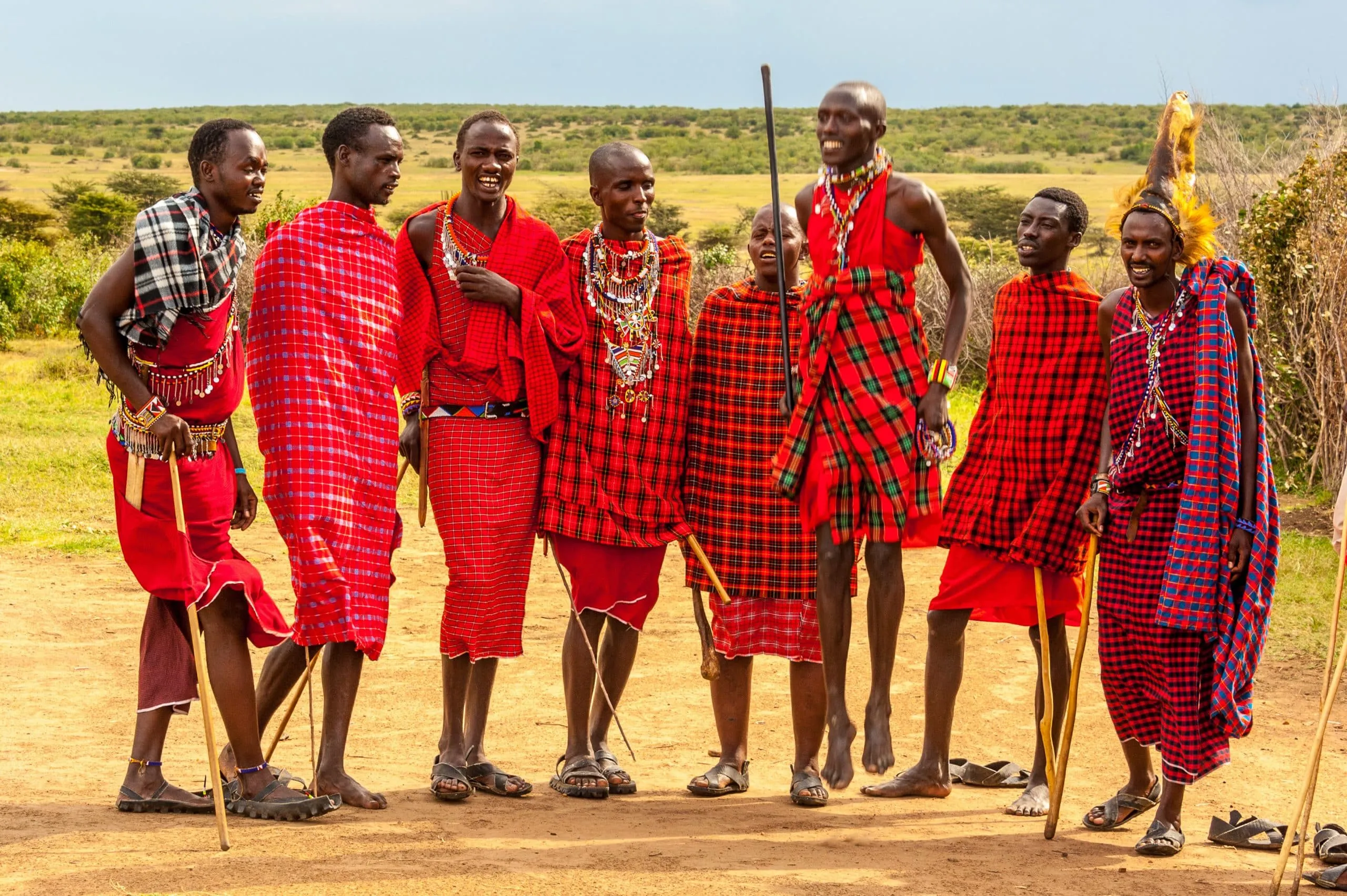
The Akamba trace their roots back to the Mount Kilimanjaro region. Centuries ago, they began a steady migration northward, settling in the Mbooni Hills of Makueni. The fertile hills offered a refuge, but as the population grew and the climate shifted, the community branched out into the more expansive, tougher terrains of the eastern plains.
This transition from hill-dwellers to plains-dwellers defined the Kamba spirit. They didn't just survive the dry seasons; they became masters of the environment, developing advanced irrigation, honey harvesting, and hunting techniques.
The Merchant Kings of East Africa
Before the colonial era, the Kamba were arguably the most sophisticated traders in the region. While other communities focused heavily on local bartering, the Kamba organized massive caravans that traveled hundreds of miles.
- The Goods: They traded ivory, honey, beeswax, and high-quality ironwork (like arrowheads) for coastal imports like beads, cloth, and salt.
- The Influence: Their trade routes stretched from the deep interior of Kenya all the way to the Indian Ocean. Because of this, the Kamba were often the first group that European explorers and Arab traders encountered, serving as the "gatekeepers" of the interior.
Artistry: The Wood Carving Legacy
If you have ever seen a finely carved wooden elephant or a mahogany bowl in a Kenyan market, chances are it was made by a Kamba artisan.
The tradition of wood carving became a commercial powerhouse decades ago. A Kamba man named Mutisya Munge is often credited with transforming traditional carving into a modern industry. While serving in the carrier corps, he learned new techniques and brought them back to Ukambani. Today, Kamba carvings are sold globally, from the streets of Nairobi to international museums.
Spiritual Beliefs and Prophecy
Traditionally, the Kamba believe in a supreme creator god known as Mulungu (or Ngai). He is seen as a benevolent provider, often associated with the life-giving rain.
The Legend of Syokimau
No history of the Kamba is complete without mentioning Syokimau, the legendary prophetess. Long before the British arrived, she predicted the coming of "people with skin like butterflies" who would carry "fire-sticks" (guns) and bring a "long snake" (the railway) that would swallow people and spit them out. Her prophecies weren't just folklore; they became a cornerstone of Kamba identity and their early cautious approach to colonialism.
Music, Dance, and "Kilumi"
Kamba culture is incredibly rhythmic. Their traditional music is characterized by the drum (Khembe) and high-energy acrobatics.
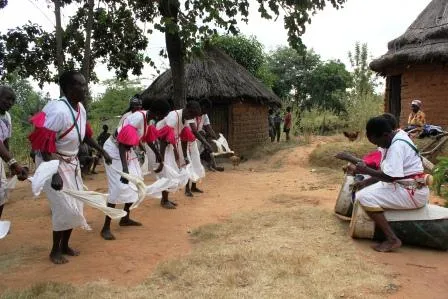
- The Kilumi Dance: Originally a spiritual dance performed during healing ceremonies or to petition for rain, it involves intense drumming and synchronized movements.
- The Modern Sound: Today, the "Benga" and "Zilizopendwa" styles have been heavily influenced by Kamba guitarists, who are famous for their intricate finger-picking styles and soulful lyrics.
Social Structure: The "Musyi"
The basic unit of life is the Musyi (family/homestead). Historically, the community was organized into clans (Mbai), and leadership was not held by a single chief but by a council of elders known as Atumia.
Marriage Traditions
Kamba marriage is a communal affair. It involves the payment of Nthasya (bride price), which traditionally included livestock, honey, and fermented beer. Interestingly, the Kamba practiced a form of "woman-to-woman" marriage in very specific cases—usually where a widow without sons would "marry" a younger woman to carry on the family name through her children.
The Kamba Today
In modern Kenya, the Kamba remain a political and economic powerhouse. They are well-represented in the military, legal profession, and the arts. Their language, Kikamba, remains one of the most widely spoken Bantu languages in the country, and their hospitality is legendary—often symbolized by the sharing of isyo (a hearty dish of maize and beans).
Did you know? The Kamba are famous for their poisoned arrows. In the past, they developed a lethal toxin from the Acokanthera schimperi tree that was so potent it could bring down an elephant—or a colonial invader—within minutes.