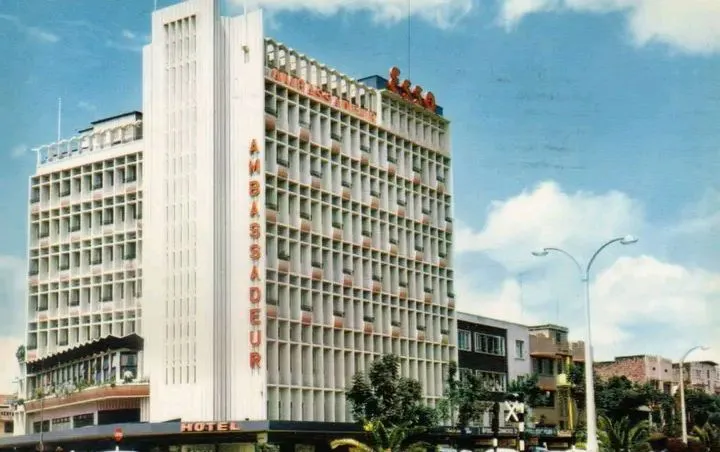
Nestled in the heart of Nairobi, next to the iconic Kencom Buildings and a stone’s throw away from the National Archives, the Ambassadeur Hotel has long been a familiar sight to both locals and visitors. Established in 1961 by former Kirinyaga Central Member of Parliament John Ngata Kariuki alongside the late billionaire businessman Gurcharan Singh Vohra, the hotel quickly carved out a reputation as one of Nairobi’s premier destinations for accommodation, dining, and business gatherings.
Over the decades, the Ambassadeur Hotel has witnessed Nairobi’s transformation, mirroring the city’s growth while maintaining its own unique charm. In 2004, the property was acquired by successful businessman Samuel Maina, who sought to preserve its legacy while adapting to the evolving urban landscape.
A Hub for Politicians, Businesspeople, and Travelers
In its heyday, the Ambassadeur Hotel attracted a distinguished clientele. Politicians conducting business in the city, entrepreneurs sealing deals, and travelers from across the East African Community all found the hotel’s central location and top-notch facilities appealing. Its reputation as a reliable and welcoming space made it a preferred stopover for many.
The hotel’s proximity to the Nairobi Central Business District (CBD) ensured that guests were always at the center of the city’s activity. Whether for business meetings, conferences, or leisurely stays, the Ambassadeur offered convenience, comfort, and a touch of luxury.
The Transformation into a Public Bus Stage
Despite its enduring charm, the Ambassadeur Hotel experienced a subtle transformation over the years. Its prime location, coupled with expansive parking space, made it a natural spot for public transportation activity. What started as occasional waiting for buses soon evolved into a bustling hub for commuters.
Members of the public, especially those traveling to upcountry destinations, began using the hotel’s entrance as a convenient boarding point. The front of the hotel, with its covered areas, provided much-needed shelter during Nairobi’s frequent rains, making it a practical choice for passengers. Before long, the Ambassadeur Hotel became synonymous with one of the city’s popular bus stages, blending its hospitality identity with an unexpected role in Nairobi’s daily commute.
While some may view this shift as a loss of the hotel’s exclusivity, it has also underscored the property’s continued relevance within the community. Even as a bus stage, the Ambassadeur remains a landmark, known to almost every Nairobi resident and visitor.
Modern Comforts and Services
Despite this unexpected evolution, the hotel continues to provide quality services for those seeking accommodation or dining in the CBD. The Ambassadeur boasts 94 well-appointed rooms, catering to a wide range of social classes. Guests can choose from deluxe single rooms or triple rooms, many of which feature private balconies and kitchenettes. Each room comes equipped with modern amenities, including personal computers, writing tables, sofa sets, ironing equipment, and bathrooms with separate showers, hot water, and complimentary toiletries.
The hotel’s conference facilities are equally impressive, with rooms accommodating between 10 to 150 participants, making it a preferred choice for business meetings, workshops, and social gatherings. Ample parking space for over 30 vehicles further enhances its appeal for events requiring logistical convenience.
Dining and Guest Experience
Ambassadeur Hotel has also maintained its reputation as a dining destination. Guests can enjoy a variety of African cuisines, reflecting both local flavors and broader culinary trends. Complimentary services such as breakfast buffets, laundry, and dry-cleaning add to the convenience, ensuring that visitors experience comfort and hospitality during their stay.
For travelers seeking affordable accommodation without compromising on quality, the Ambassadeur remains an attractive option. Its blend of historical charm, central location, and modern amenities allows it to serve both long-term visitors and short-term business travelers effectively.
A Living Landmark
The story of the Ambassadeur Hotel is not merely about a building—it is a story of adaptation, relevance, and community. While its transition into a popular bus stage might seem unusual, it demonstrates the hotel’s resilience and the organic ways in which Nairobi’s urban life evolves.
Today, the Ambassadeur Hotel is more than just a place to stay; it is a living landmark, bridging Nairobi’s history with the daily lives of its residents. From its beginnings as a luxury destination for the elite to its role as a bustling node in the city’s transport network, the Ambassadeur continues to shape and reflect the life of Nairobi.
Whether you are visiting for business, leisure, or simply passing through the city, the Ambassadeur Hotel stands as a testament to Nairobi’s dynamic urban culture, offering comfort, convenience, and a slice of history in the heart of Kenya’s capital.
Over the decades, the Ambassadeur Hotel has witnessed Nairobi’s transformation, mirroring the city’s growth while maintaining its own unique charm. In 2004, the property was acquired by successful businessman Samuel Maina, who sought to preserve its legacy while adapting to the evolving urban landscape.
A Hub for Politicians, Businesspeople, and Travelers
In its heyday, the Ambassadeur Hotel attracted a distinguished clientele. Politicians conducting business in the city, entrepreneurs sealing deals, and travelers from across the East African Community all found the hotel’s central location and top-notch facilities appealing. Its reputation as a reliable and welcoming space made it a preferred stopover for many.
The hotel’s proximity to the Nairobi Central Business District (CBD) ensured that guests were always at the center of the city’s activity. Whether for business meetings, conferences, or leisurely stays, the Ambassadeur offered convenience, comfort, and a touch of luxury.
The Transformation into a Public Bus Stage
Despite its enduring charm, the Ambassadeur Hotel experienced a subtle transformation over the years. Its prime location, coupled with expansive parking space, made it a natural spot for public transportation activity. What started as occasional waiting for buses soon evolved into a bustling hub for commuters.
Members of the public, especially those traveling to upcountry destinations, began using the hotel’s entrance as a convenient boarding point. The front of the hotel, with its covered areas, provided much-needed shelter during Nairobi’s frequent rains, making it a practical choice for passengers. Before long, the Ambassadeur Hotel became synonymous with one of the city’s popular bus stages, blending its hospitality identity with an unexpected role in Nairobi’s daily commute.
While some may view this shift as a loss of the hotel’s exclusivity, it has also underscored the property’s continued relevance within the community. Even as a bus stage, the Ambassadeur remains a landmark, known to almost every Nairobi resident and visitor.
Modern Comforts and Services
Despite this unexpected evolution, the hotel continues to provide quality services for those seeking accommodation or dining in the CBD. The Ambassadeur boasts 94 well-appointed rooms, catering to a wide range of social classes. Guests can choose from deluxe single rooms or triple rooms, many of which feature private balconies and kitchenettes. Each room comes equipped with modern amenities, including personal computers, writing tables, sofa sets, ironing equipment, and bathrooms with separate showers, hot water, and complimentary toiletries.
The hotel’s conference facilities are equally impressive, with rooms accommodating between 10 to 150 participants, making it a preferred choice for business meetings, workshops, and social gatherings. Ample parking space for over 30 vehicles further enhances its appeal for events requiring logistical convenience.
Dining and Guest Experience
Ambassadeur Hotel has also maintained its reputation as a dining destination. Guests can enjoy a variety of African cuisines, reflecting both local flavors and broader culinary trends. Complimentary services such as breakfast buffets, laundry, and dry-cleaning add to the convenience, ensuring that visitors experience comfort and hospitality during their stay.
For travelers seeking affordable accommodation without compromising on quality, the Ambassadeur remains an attractive option. Its blend of historical charm, central location, and modern amenities allows it to serve both long-term visitors and short-term business travelers effectively.
A Living Landmark
The story of the Ambassadeur Hotel is not merely about a building—it is a story of adaptation, relevance, and community. While its transition into a popular bus stage might seem unusual, it demonstrates the hotel’s resilience and the organic ways in which Nairobi’s urban life evolves.
Today, the Ambassadeur Hotel is more than just a place to stay; it is a living landmark, bridging Nairobi’s history with the daily lives of its residents. From its beginnings as a luxury destination for the elite to its role as a bustling node in the city’s transport network, the Ambassadeur continues to shape and reflect the life of Nairobi.
Whether you are visiting for business, leisure, or simply passing through the city, the Ambassadeur Hotel stands as a testament to Nairobi’s dynamic urban culture, offering comfort, convenience, and a slice of history in the heart of Kenya’s capital.