Every year on May 3, the world pauses to reflect on the essential role of a free press during World Press Freedom Day—a day championed by UNESCO to highlight the importance of independent journalism and media freedom.
In 2026, the theme “Shaping a Future at Peace” comes at a critical moment when global tensions, political divisions, and the rapid spread of misinformation continue to challenge societies. This year’s focus underscores one powerful truth: journalism is not just about reporting news—it is a cornerstone of peace building.
In fragile and divided societies, journalists play a unique role as connectors. By telling balanced, factual, and human-centred stories, the media helps communities understand each other beyond stereotypes and political narratives. Responsible reporting can ease tensions, promote dialogue, and create space for reconciliation.
From conflict zones to local communities, journalists often risk their lives to uncover the truth. Their work ensures that injustices are exposed and that citizens remain informed—both of which are essential ingredients for lasting peace.
The rise of social media and digital platforms has transformed how people consume information. While this has democratised access to news, it has also opened the floodgates to misinformation and propaganda.
False narratives can fuel conflict, incite violence, and deepen divisions. In this environment, credible journalism becomes more important than ever. Fact-checking, ethical reporting, and media literacy are critical tools in countering the spread of harmful content.
Media houses and journalists are increasingly embracing technology to verify information and debunk fake news, reaffirming their role as trusted sources in an era of uncertainty.
A free and independent press contributes to social cohesion by amplifying diverse voices and holding power to account. When communities feel heard and represented, trust in institutions grows, reducing the likelihood of conflict.
Stories that highlight shared values, resilience, and cooperation can foster unity, even in the most polarized environments. Journalism, when done right, reminds people of their common humanity.
A free and independent press contributes to social cohesion by amplifying diverse voices and holding power to account. When communities feel heard and represented, trust in institutions grows, reducing the likelihood of conflict.
Stories that highlight shared values, resilience, and cooperation can foster unity, even in the most polarized environments. Journalism, when done right, reminds people of their common humanity.
Despite its importance, journalism continues to face serious threats. In many parts of the world, reporters are harassed, censored, or even killed for doing their jobs. Legal restrictions, economic pressures, and political interference further undermine media freedom.
Organizations like Reporters Without Borders and the Committee to Protect Journalists continue to advocate for the protection of journalists and accountability for crimes against them.
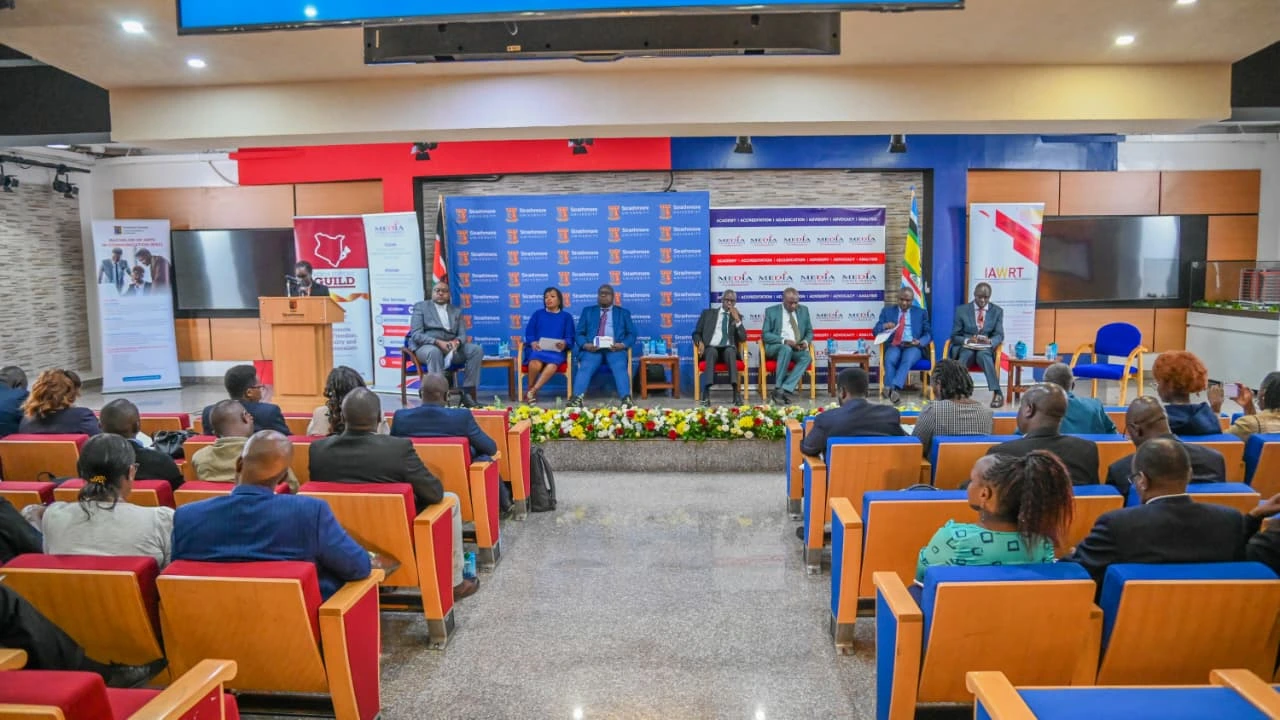
As part of this year’s celebrations, stakeholders across the globe are invited to tune in for the live launch of the State of the Media Report, a comprehensive assessment of the current media landscape.
The report will provide key insights into press freedom trends, challenges facing journalists, and the future of media in a rapidly changing world. It serves as a vital tool for policymakers, media practitioners, and the public in understanding where the industry stands—and where it must go.
As the world marks World Press Freedom Day 2026, the message is clear: protecting journalism is protecting peace. Governments, institutions, and citizens alike must support press freedom, uphold the safety of journalists, and promote access to accurate information.
Because in the end, a peaceful future is built on truth—and truth depends on a free press.
Organizations like Reporters Without Borders and the Committee to Protect Journalists continue to advocate for the protection of journalists and accountability for crimes against them.
As part of this year’s celebrations, stakeholders across the globe are invited to tune in for the live launch of the State of the Media Report, a comprehensive assessment of the current media landscape.
The report will provide key insights into press freedom trends, challenges facing journalists, and the future of media in a rapidly changing world. It serves as a vital tool for policymakers, media practitioners, and the public in understanding where the industry stands—and where it must go.
As the world marks World Press Freedom Day 2026, the message is clear: protecting journalism is protecting peace. Governments, institutions, and citizens alike must support press freedom, uphold the safety of journalists, and promote access to accurate information.
Because in the end, a peaceful future is built on truth—and truth depends on a free press.