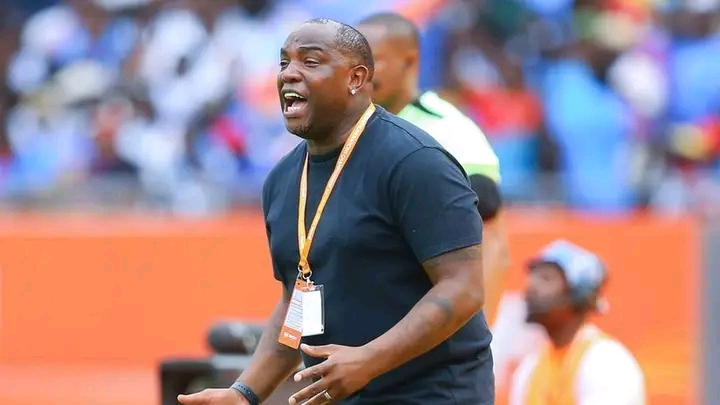
Kenya’s Harambee Stars head coach, Benni McCarthy, has spoken candidly about the lofty expectations some fans have set ahead of the 2027 Africa Cup of Nations (AFCON). In a statement that has sparked widespread discussion, the former South African international emphasized the need for realism, pointing out that Kenya faces a significant quality gap compared to the continent’s football powerhouses.
Speaking during a press briefing, McCarthy, who took over the Harambee Stars in 2024, highlighted that while Kenyan football has potential, the current team is not yet at the level required to compete for a semi-final spot in Africa’s premier football tournament. “People mustn’t be silly. For me, I think we could have a chance to get out of the group stages because the level is high, and most of our players are playing in the Kenyan league. And the Kenyan Premier League, compared to the South African League, is very low,” McCarthy explained.
The 47-year-old tactician’s remarks come amid a growing wave of optimism among Kenyan fans, who have become increasingly vocal about their hopes of seeing Harambee Stars reach the latter stages of AFCON. However, McCarthy stressed that such expectations are not grounded in the current realities of African football.
African Football Landscape
McCarthy drew attention to the continent’s elite football nations, including Senegal, Egypt, Morocco, Ivory Coast, and South Africa, all of which currently operate at a significantly higher level than Kenya. “You can’t be too ambitious and think, ‘Hey, I want to reach the semi-final’. Who are you going to beat to get there? Imagine you get Bafana Bafana or the Ivory Coast. The top two go through. Where are you going to finish? I have been in the game long enough,” he remarked.
These teams, McCarthy pointed out, benefit from players competing regularly in top European leagues and professional structures that far surpass the local setups in Kenya. This disparity, he argued, must be acknowledged before setting unrealistic targets.
Realistic Goals for Harambee Stars
For McCarthy, the immediate focus is on building a team capable of advancing beyond the group stages and steadily becoming competitive against stronger African sides. “We must first focus on consolidating our team, improving our tactical understanding, and ensuring our players gain the experience needed to compete at this level,” he said.
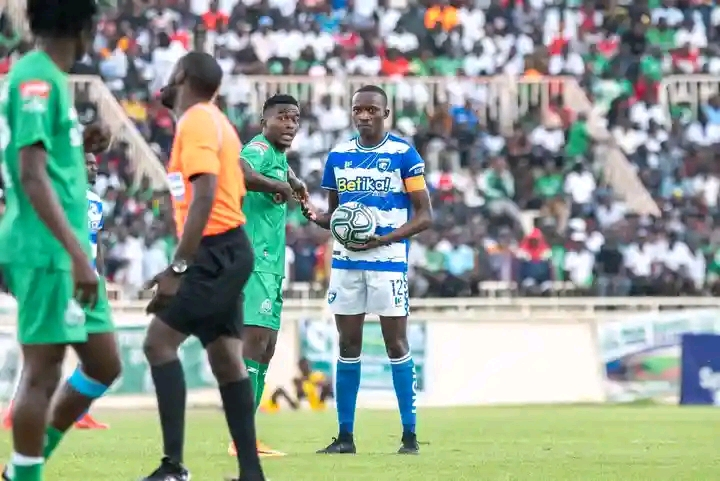
The coach also stressed the importance of the domestic league in player development. While the Kenyan Premier League has grown in recent years, it still faces challenges such as inconsistent infrastructure, limited exposure to high-intensity matches, and financial constraints that affect player performance and development. McCarthy believes that enhancing the domestic league’s competitiveness will play a crucial role in improving the national team’s prospects.
Lessons from Experience
McCarthy, who had a successful playing career with clubs such as Ajax, Porto, and Blackburn Rovers, believes that patience is essential. “It does upset you a little bit when you hear people giving silly comments and making statements like that, thinking they know more! Football is about progress, about building a foundation first, and then setting realistic targets,” he noted.
Drawing from his experience as a coach in South Africa and his tenure with the national team, McCarthy emphasized that success in African football requires careful planning, exposure to high-level competition, and gradual improvement. “Kenya has talent, no doubt, but talent alone is not enough. We need structure, experience, and consistent performance to challenge the top teams,” he said.
Fan Expectations vs. Reality
Kenyan football fans are passionate and deeply invested in their national team. Their enthusiasm has been fueled by recent improvements in the squad and standout performances from Kenyan players both locally and abroad. However, McCarthy’s message serves as a reminder that progress takes time, and sweeping expectations can sometimes overshadow realistic objectives.
“Ambition is good, but it must be tempered with reality. We are not here to make promises we cannot keep; we are here to build a team that will grow stronger year after year,” McCarthy emphasized.
The Road Ahead
Looking forward to the 2027 AFCON qualifiers, McCarthy is focused on ensuring that Harambee Stars are competitive in every match. This involves scouting emerging talent, developing tactical discipline, and preparing the squad for the physical and mental demands of top-level African football.
While the dream of reaching the semi-finals may remain distant for now, McCarthy believes that steady progress will eventually position Kenya as a force to be reckoned with. “We need to set achievable milestones and celebrate small victories along the way. The foundation we lay today will determine how competitive Harambee Stars will be in the future,” he concluded.
As Harambee Stars gear up for the next chapter in African football, McCarthy’s pragmatic approach serves as both a reality check and a blueprint for sustainable growth. Kenyan fans may have to temper their expectations, but with strategic development and careful planning, the team could gradually close the gap with Africa’s football elite.
Speaking during a press briefing, McCarthy, who took over the Harambee Stars in 2024, highlighted that while Kenyan football has potential, the current team is not yet at the level required to compete for a semi-final spot in Africa’s premier football tournament. “People mustn’t be silly. For me, I think we could have a chance to get out of the group stages because the level is high, and most of our players are playing in the Kenyan league. And the Kenyan Premier League, compared to the South African League, is very low,” McCarthy explained.
The 47-year-old tactician’s remarks come amid a growing wave of optimism among Kenyan fans, who have become increasingly vocal about their hopes of seeing Harambee Stars reach the latter stages of AFCON. However, McCarthy stressed that such expectations are not grounded in the current realities of African football.
African Football Landscape
McCarthy drew attention to the continent’s elite football nations, including Senegal, Egypt, Morocco, Ivory Coast, and South Africa, all of which currently operate at a significantly higher level than Kenya. “You can’t be too ambitious and think, ‘Hey, I want to reach the semi-final’. Who are you going to beat to get there? Imagine you get Bafana Bafana or the Ivory Coast. The top two go through. Where are you going to finish? I have been in the game long enough,” he remarked.
These teams, McCarthy pointed out, benefit from players competing regularly in top European leagues and professional structures that far surpass the local setups in Kenya. This disparity, he argued, must be acknowledged before setting unrealistic targets.
Realistic Goals for Harambee Stars
For McCarthy, the immediate focus is on building a team capable of advancing beyond the group stages and steadily becoming competitive against stronger African sides. “We must first focus on consolidating our team, improving our tactical understanding, and ensuring our players gain the experience needed to compete at this level,” he said.
The coach also stressed the importance of the domestic league in player development. While the Kenyan Premier League has grown in recent years, it still faces challenges such as inconsistent infrastructure, limited exposure to high-intensity matches, and financial constraints that affect player performance and development. McCarthy believes that enhancing the domestic league’s competitiveness will play a crucial role in improving the national team’s prospects.
Lessons from Experience
McCarthy, who had a successful playing career with clubs such as Ajax, Porto, and Blackburn Rovers, believes that patience is essential. “It does upset you a little bit when you hear people giving silly comments and making statements like that, thinking they know more! Football is about progress, about building a foundation first, and then setting realistic targets,” he noted.
Drawing from his experience as a coach in South Africa and his tenure with the national team, McCarthy emphasized that success in African football requires careful planning, exposure to high-level competition, and gradual improvement. “Kenya has talent, no doubt, but talent alone is not enough. We need structure, experience, and consistent performance to challenge the top teams,” he said.
Fan Expectations vs. Reality
Kenyan football fans are passionate and deeply invested in their national team. Their enthusiasm has been fueled by recent improvements in the squad and standout performances from Kenyan players both locally and abroad. However, McCarthy’s message serves as a reminder that progress takes time, and sweeping expectations can sometimes overshadow realistic objectives.
“Ambition is good, but it must be tempered with reality. We are not here to make promises we cannot keep; we are here to build a team that will grow stronger year after year,” McCarthy emphasized.
The Road Ahead
Looking forward to the 2027 AFCON qualifiers, McCarthy is focused on ensuring that Harambee Stars are competitive in every match. This involves scouting emerging talent, developing tactical discipline, and preparing the squad for the physical and mental demands of top-level African football.
While the dream of reaching the semi-finals may remain distant for now, McCarthy believes that steady progress will eventually position Kenya as a force to be reckoned with. “We need to set achievable milestones and celebrate small victories along the way. The foundation we lay today will determine how competitive Harambee Stars will be in the future,” he concluded.
As Harambee Stars gear up for the next chapter in African football, McCarthy’s pragmatic approach serves as both a reality check and a blueprint for sustainable growth. Kenyan fans may have to temper their expectations, but with strategic development and careful planning, the team could gradually close the gap with Africa’s football elite.