The sharp, stabbing pain of a kidney stone is often described as one of the most intense physical experiences a human can endure. Yet, beyond the physical agony lies another significant pain point: the financial burden of treatment.
In Kenya, the cost of managing kidney stones varies drastically depending on the size of the stone, the technology used, and the choice of hospital. Here is a breakdown of what to expect when the "silent stones" start to speak.
1. The Anatomy of the Stones
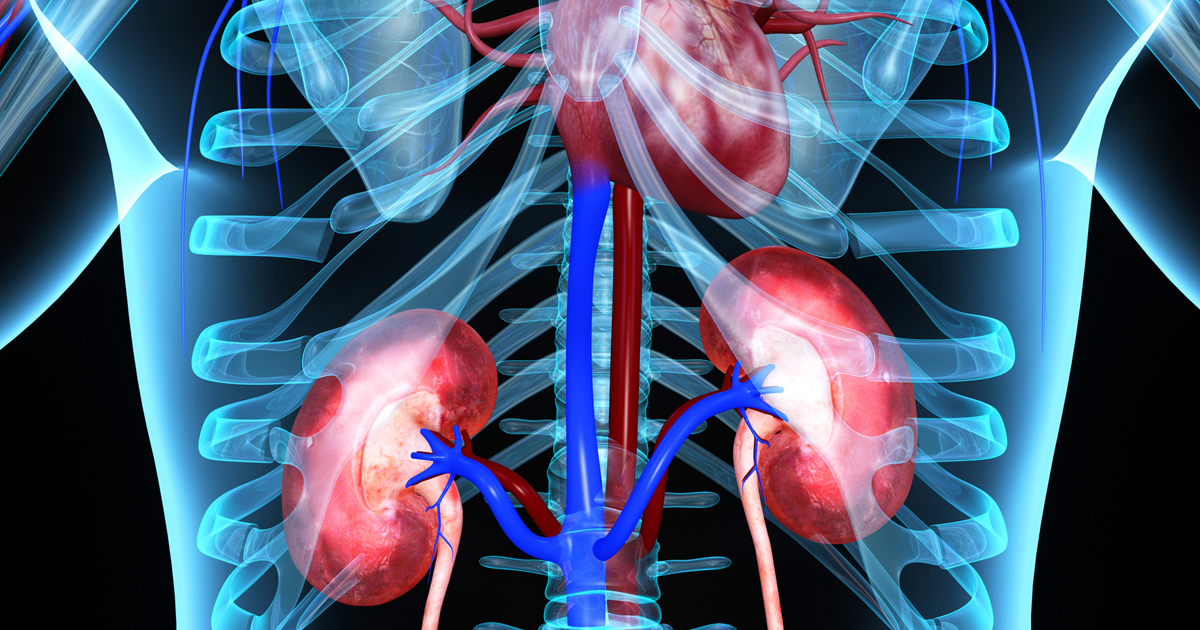
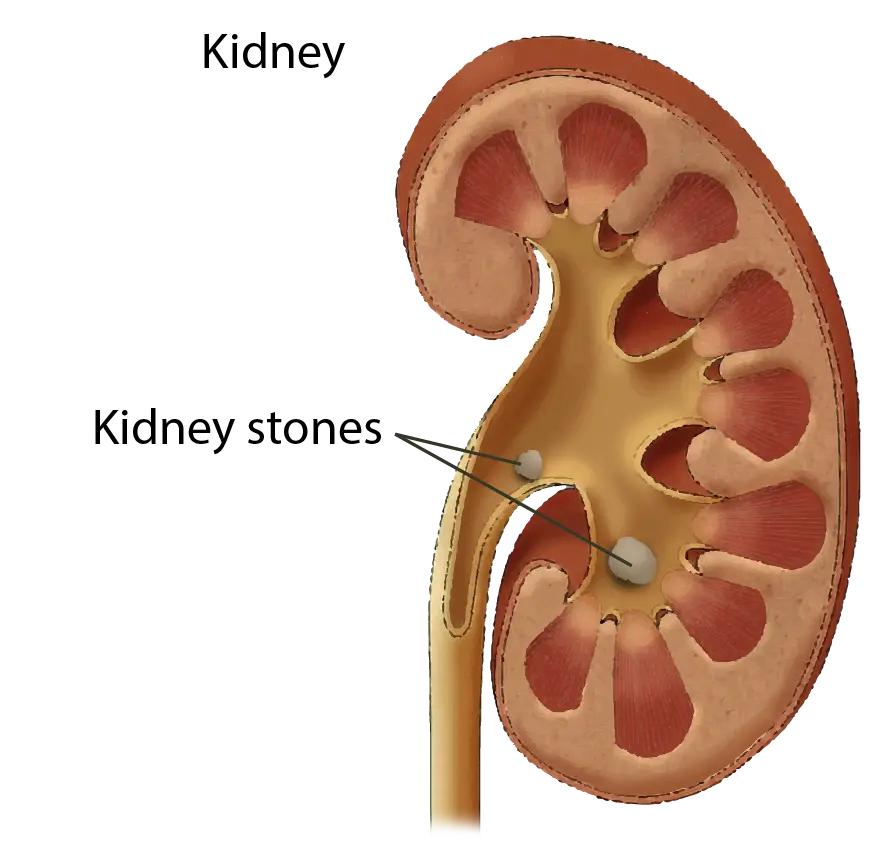
Kidney stones are hard deposits made of minerals and salts that form inside your kidneys. They often stay quiet until they move into the ureter (the tube connecting the kidney and bladder).
Symptoms:Severe pain in the side and back, blood in the urine, and nausea.
The "Wait and See" Approach: If a stone is small (under 5mm), doctors often recommend hydration and pain medication to let it pass naturally. This is the most affordable route, costing only the price of a consultation (approx. KES 2,000 – 5,000) and basic medication.
2. Modern Treatment Options and Costs
When a stone is too large to pass or causes an obstruction, medical intervention is required. In 2026, Kenyan private and public facilities offer several "cut-less" (minimally invasive) options.
Procedure, Description, Estimated Cost in (KES);
Shock waves break stones from outside the body.150,000 – 250,000
Laser Lithotripsy-A laser fiber reaches the stone via the urethra to blast it. 250,000 – 400,000
PCNL-A small incision in the back for very large or complex stones.
350,000 – 500,000
Open Surgery-Traditional surgery (now rare). 150,000 – 300,000
Note: Costs are estimates for private hospitals in Nairobi. Public facilities or mission hospitals may offer these at 40-60% lower rates but often have longer waiting lists.
3. The "Hidden" Costs
The surgery fee is rarely the final bill. Patients should budget for:
Diagnostics:CT Scans (K-U-B) are the gold standard for locating stones and can cost between-KES 10,000 and 25,000.
Stent Removal:Many procedures require a "DJ Stent" to be left in the ureter for 1–2 weeks. Removing this is a separate minor procedure costing KES 20,000 – 50,000.
Inpatient Charges:Bed charges in private wings can range from KES 5,000 to 15,000 per night.
4. Navigating the Bill: Insurance and SHA
With the transition from NHIF to the Social Health Authority (SHA), coverage for renal (kidney) conditions has become more streamlined but requires registration.
SHA/SHIF:Usually covers a significant portion of inpatient procedures in government and "Level 4-6" hospitals.
Private Insurance: Most Kenyan insurers cover kidney stone surgery under the "Inpatient" limit, provided it isn't classified as a pre-existing condition that wasn't declared.
Out-of-Pocket: For those without cover, many hospitals now offer "packaged" rates for procedures like ESWL to make them more predictable.
5. Prevention is Cheaper than the Cure
The most "humanly possible" way to handle kidney stones is to avoid them entirely.
1. Hydration:Drinking 2–3 liters of water daily is the #1 defense.
2. Dietary Adjustments:Reducing salt and excessive animal protein can lower your risk.
3. Lemon Juice:Citrate in lemons helps prevent stone formation.
A KES 50 bottle of water today could truly save you a KES 300,000 hospital bill tomorrow.
In Kenya, the cost of managing kidney stones varies drastically depending on the size of the stone, the technology used, and the choice of hospital. Here is a breakdown of what to expect when the "silent stones" start to speak.
1. The Anatomy of the Stones
Kidney stones are hard deposits made of minerals and salts that form inside your kidneys. They often stay quiet until they move into the ureter (the tube connecting the kidney and bladder).
Symptoms:Severe pain in the side and back, blood in the urine, and nausea.
The "Wait and See" Approach: If a stone is small (under 5mm), doctors often recommend hydration and pain medication to let it pass naturally. This is the most affordable route, costing only the price of a consultation (approx. KES 2,000 – 5,000) and basic medication.
2. Modern Treatment Options and Costs
When a stone is too large to pass or causes an obstruction, medical intervention is required. In 2026, Kenyan private and public facilities offer several "cut-less" (minimally invasive) options.
Procedure, Description, Estimated Cost in (KES);
Shock waves break stones from outside the body.150,000 – 250,000
Laser Lithotripsy-A laser fiber reaches the stone via the urethra to blast it. 250,000 – 400,000
PCNL-A small incision in the back for very large or complex stones.
350,000 – 500,000
Open Surgery-Traditional surgery (now rare). 150,000 – 300,000
Note: Costs are estimates for private hospitals in Nairobi. Public facilities or mission hospitals may offer these at 40-60% lower rates but often have longer waiting lists.
3. The "Hidden" Costs
The surgery fee is rarely the final bill. Patients should budget for:
Diagnostics:CT Scans (K-U-B) are the gold standard for locating stones and can cost between-KES 10,000 and 25,000.
Stent Removal:Many procedures require a "DJ Stent" to be left in the ureter for 1–2 weeks. Removing this is a separate minor procedure costing KES 20,000 – 50,000.
Inpatient Charges:Bed charges in private wings can range from KES 5,000 to 15,000 per night.
4. Navigating the Bill: Insurance and SHA
With the transition from NHIF to the Social Health Authority (SHA), coverage for renal (kidney) conditions has become more streamlined but requires registration.
SHA/SHIF:Usually covers a significant portion of inpatient procedures in government and "Level 4-6" hospitals.
Private Insurance: Most Kenyan insurers cover kidney stone surgery under the "Inpatient" limit, provided it isn't classified as a pre-existing condition that wasn't declared.
Out-of-Pocket: For those without cover, many hospitals now offer "packaged" rates for procedures like ESWL to make them more predictable.
5. Prevention is Cheaper than the Cure
The most "humanly possible" way to handle kidney stones is to avoid them entirely.
1. Hydration:Drinking 2–3 liters of water daily is the #1 defense.
2. Dietary Adjustments:Reducing salt and excessive animal protein can lower your risk.
3. Lemon Juice:Citrate in lemons helps prevent stone formation.
A KES 50 bottle of water today could truly save you a KES 300,000 hospital bill tomorrow.